
Heritage Restoration Miami
Museum-quality laser conservation for Bronze, Marble, Limestone, and Granite. Vaporizes crust and pollution instantly. The original surface and patina remain completely untouched. Accepted by Miami historic preservation boards.
5-Step Heritage Laser Cleaning for Miami Historic Buildings
Every heritage project follows a conservation-first approach—identify, calibrate, test, clean, document. Minimal intervention, zero chemicals, full preservation of original character. Our process is designed to meet the standards required by historic preservation boards throughout South Florida, from Miami Beach to Coral Gables and beyond.
Material Identification
We identify the substrate (limestone, marble, terracotta, brick, bronze) and the contamination type (carbon deposits, biological growth, paint, graffiti). Heritage materials require the gentlest effective settings to preserve original surfaces and patina.
Laser Calibration
We select wavelength and power settings matched to the material. Soft limestone needs very low energy; harder stones and metals tolerate higher settings for faster cleaning. Each material gets its own calibration protocol.
Test on Hidden Area
We test on an inconspicuous area first—behind a plinth, base of a column, or interior face. This confirms the laser removes contamination without affecting the patina or original surface.
Gentle Ablation
The laser removes soot, algae, paint, and mineral deposits layer by layer. We work slowly and check the surface frequently to preserve the original patina and historical character. Our controlled approach ensures nothing is removed that shouldn't be.
Conservation Report
After cleaning, we document the before-and-after condition. This report supports historic registry records, insurance documentation, and conservation committee review. Our documentation meets the standards expected by preservation boards throughout South Florida.
Why Heritage Conservation Matters in Miami
Art Deco District Under Siege
Miami Beach's Art Deco buildings face constant exposure to salt air, humidity, and biological growth. Limestone and stucco facades deteriorate rapidly without periodic cleaning. Historic preservation boards require gentle, non-destructive methods that preserve the original material and architectural detail that gives these buildings their character and historic designation.
Hurricane Damage Accelerates Decay
Storm-driven debris and flooding leave salt, sand, and biological contaminants on historic facades. If not removed quickly, these accelerate stone decay and mortar deterioration. Laser cleaning is the only method gentle enough for post-hurricane restoration—it removes contaminants without forcing water into already compromised masonry joints or eroding softened stone surfaces.
Water and Chemicals Destroy Heritage
Pressure washing erodes soft limestone and forces water into mortar joints, accelerating deterioration from within. Chemical cleaners leave residue that continues reacting long after application, slowly eating into the stone surface. Laser cleaning uses zero water and zero chemicals—preserving the structure for future generations while meeting the strict requirements of historic preservation boards throughout South Florida.
See the Transformation
From decades of grime to pristine perfection. Watch the laser work its magic on real client projects.
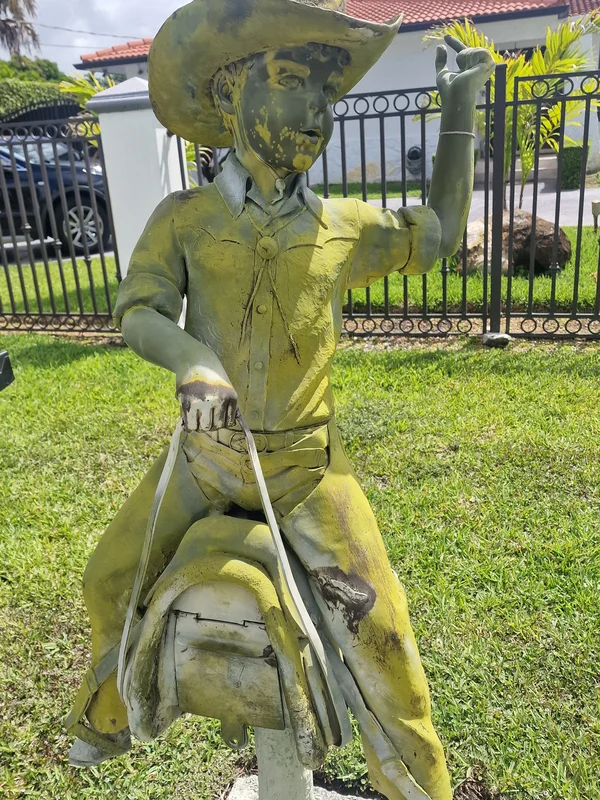
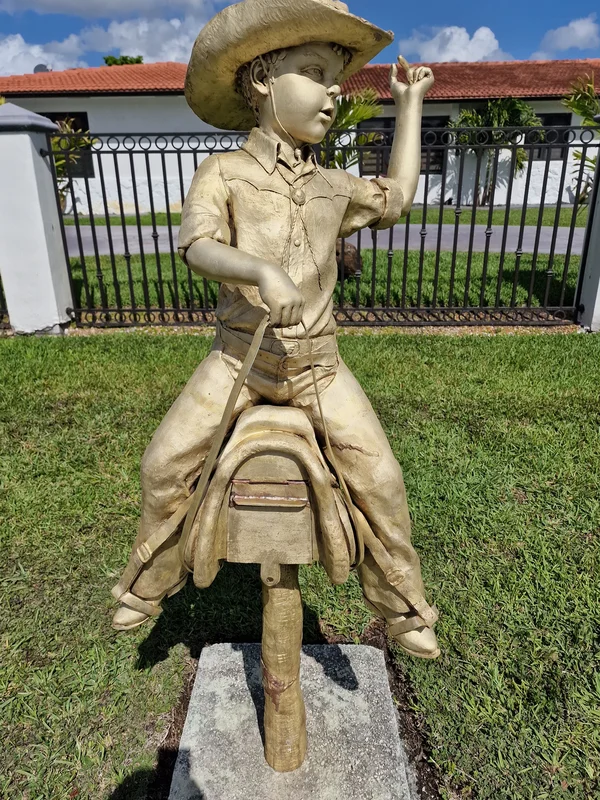
Want results like this for your project?
📞 Get Your Free QuoteWhat We Can Clean
One technology, unlimited applications. From delicate antiques to industrial equipment.
Wood Stripping
Remove paint, varnish, and stain from antique wood without damaging the grain. Perfect for doors, beams, and furniture restoration.
Corrosion, Rust & Oxide Removal
Restore metal to bare, clean surface without altering its integrity. Faster and greener than sandblasting or chemical removal.
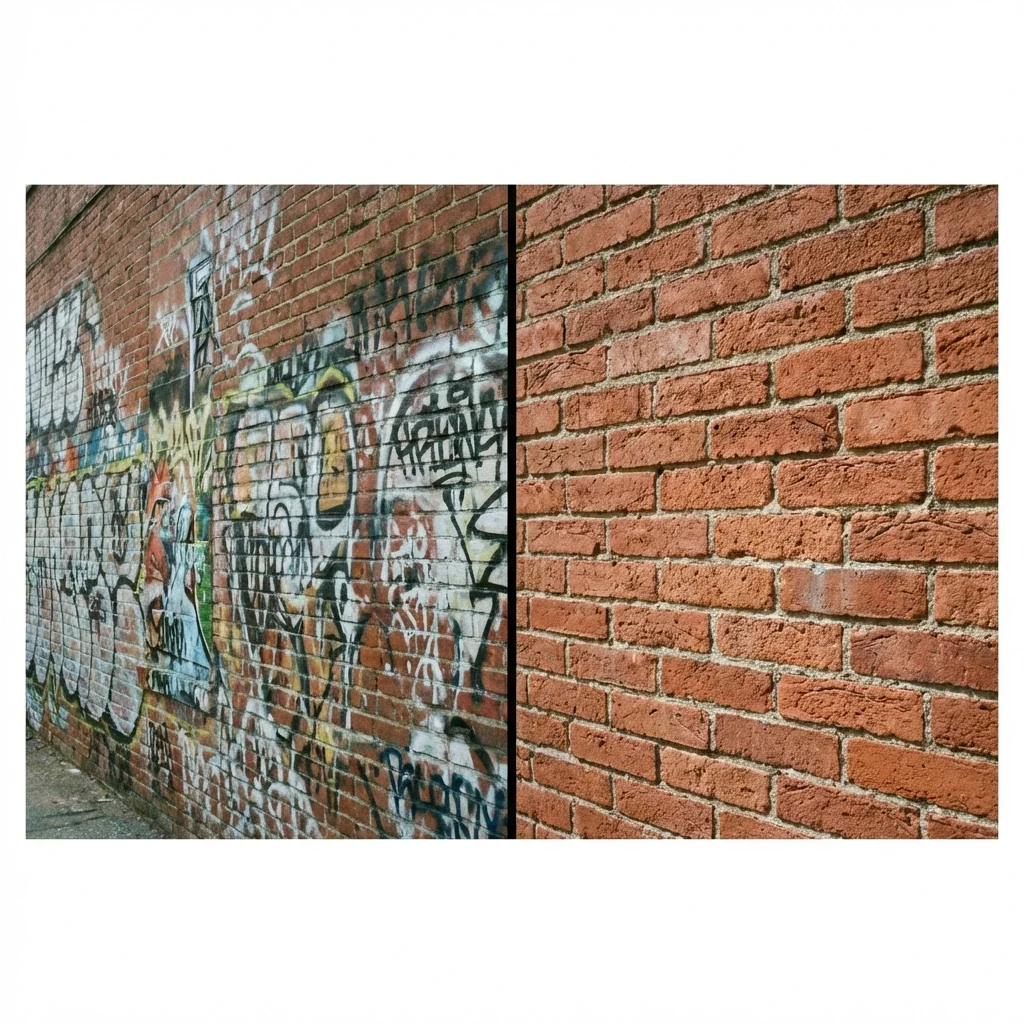
Graffiti & Paint Removal
Remove graffiti from stone, brick, and cement. The substrate remains cool and undamaged—restored to its original glory.
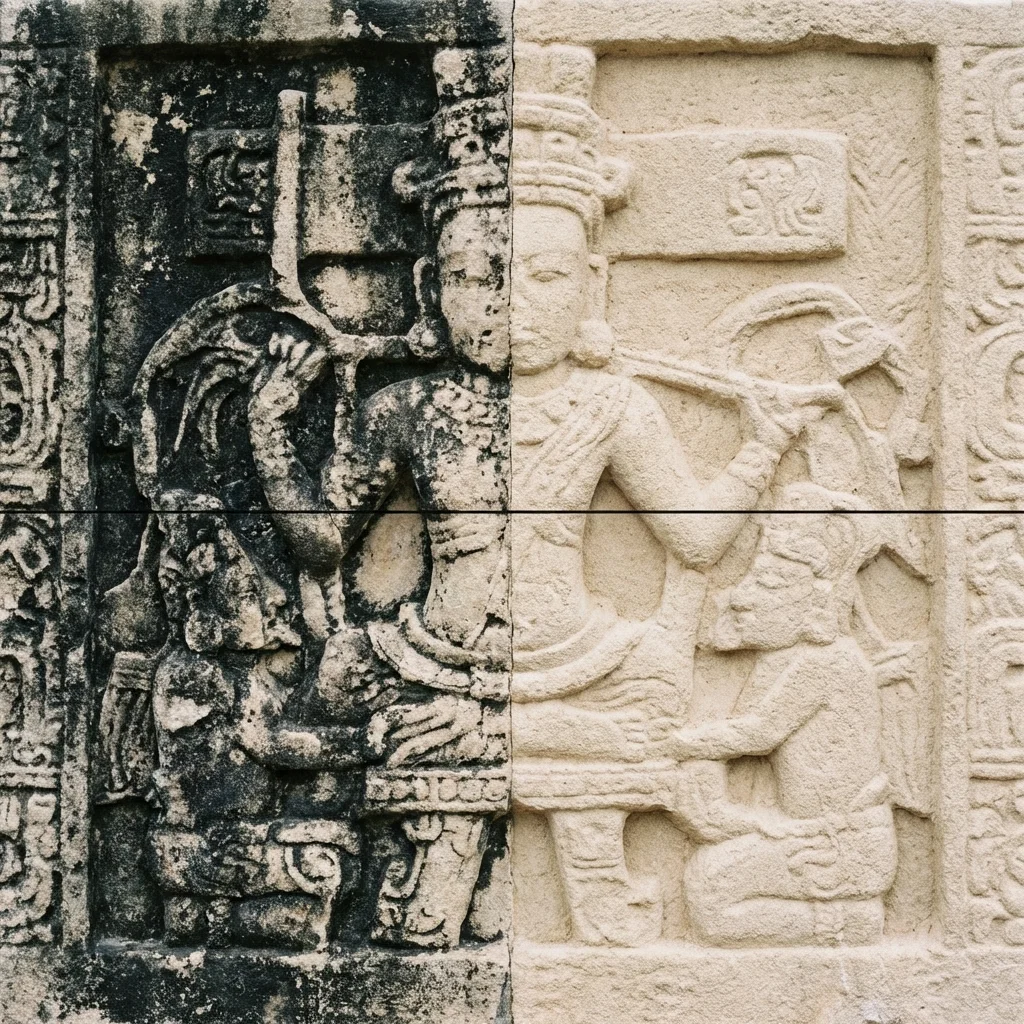
Heritage Conservation
Restore historic facades, monuments, and sculptures with a gentle, non-contact method. No chemicals, just precision light.
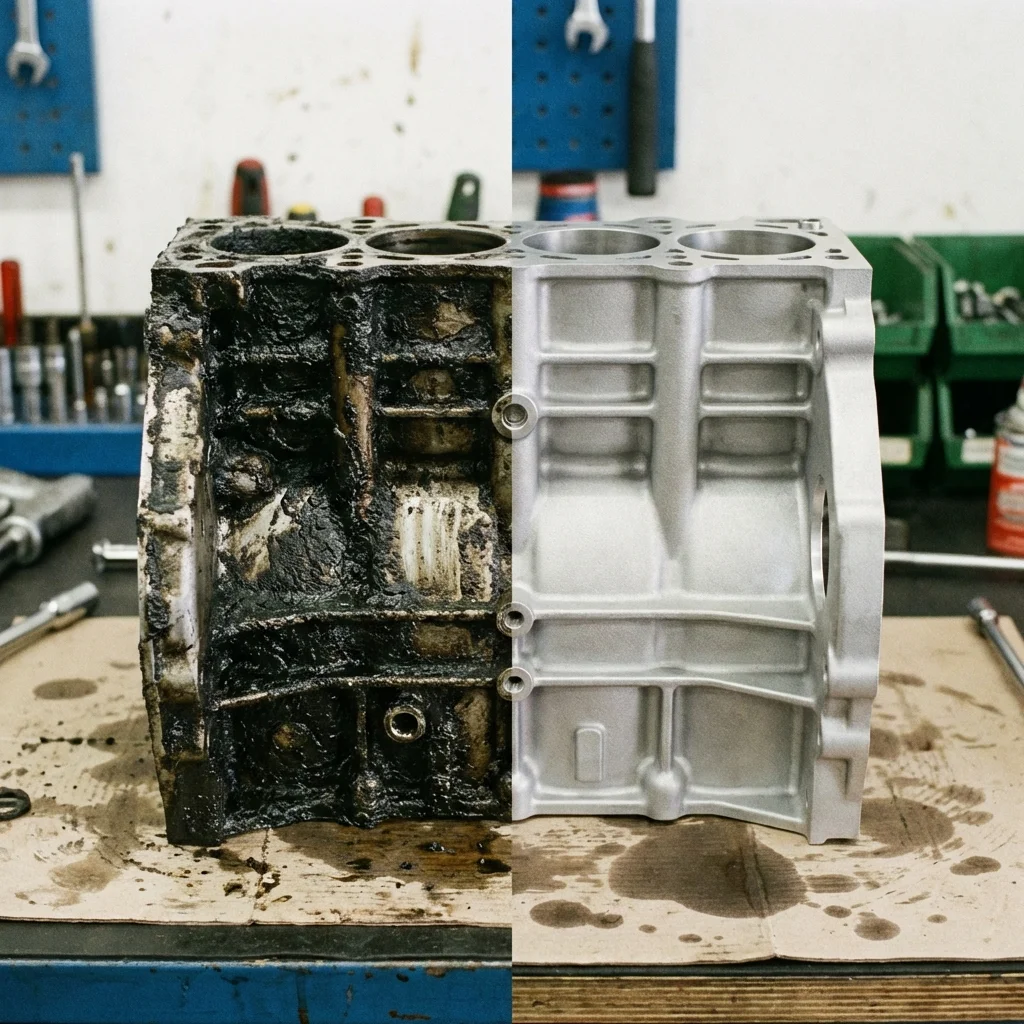
Grease & Oil Removal
Degrease engine blocks and mechanical parts instantly. Dark contaminants absorb laser heat and evaporate clean.
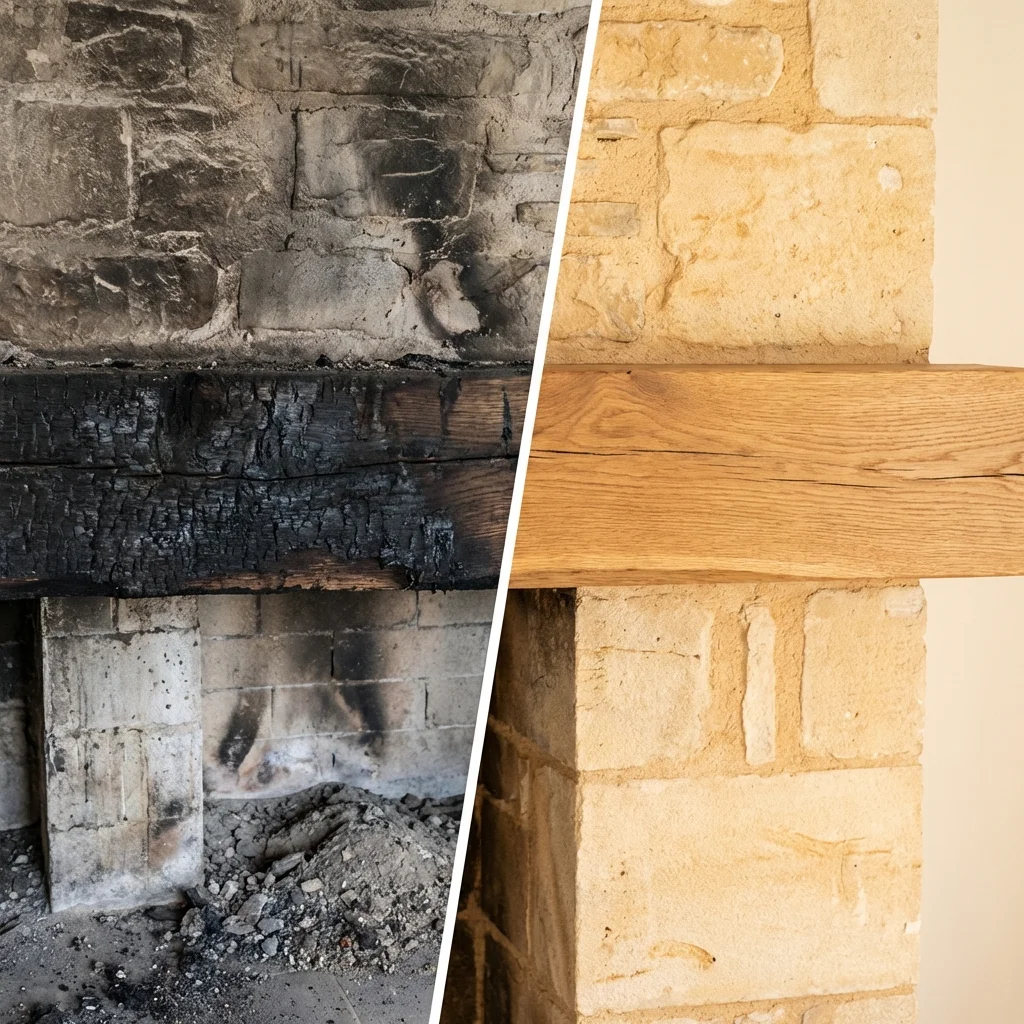
Soot & Fire Damage
Restore fire-damaged surfaces—brick, concrete, and wood. Remove soot buildup while leaving the substrate intact.
The Superior Choice
See how laser cleaning compares to traditional methods.
| Criterion | MVK Laser | Sandblasting | Chemicals |
|---|---|---|---|
| Surface Abrasion | None (0%) | High (Destructive) | Medium (Etching) |
| Secondary Waste | None (Vaporized) | Massive (Sand piles) | Toxic Sludge |
| Precision | Micrometric | Low (All or nothing) | Low (Spills) |
| Noise Level | Minimal (Conversational) | Extreme (Hearing Protection) | Silent |
| Setup Time | Minutes | Hours (Containment) | Moderate |
| Environmental Impact | Zero | High | Very High (Toxic) |
Heritage Conservation Questions We Hear in Miami
Is laser cleaning safe for limestone and marble?
Yes. We use very low power settings calibrated specifically for soft stones. The laser removes surface contamination—carbon deposits, algae, mineral staining—without penetrating or etching the stone. Historic limestone facades in Miami Beach are some of our most common projects. We always test on a hidden area first and check the surface frequently during the process to ensure the stone remains completely undamaged.
Does it work on terracotta and ceramic tiles?
Absolutely. Terracotta and ceramic glazes reflect the laser, so only the surface contamination absorbs the energy. Glazed architectural tiles, terracotta reliefs, and decorative mosaics can be cleaned without any risk to the glaze or color. This makes laser cleaning ideal for Art Deco buildings with decorative tile work that would be destroyed by pressure washing or chemical stripping.
Can it meet museum conservation standards?
Yes. Laser cleaning is widely used by museums and conservation laboratories worldwide. Our process follows the same principles: minimal intervention, reversible, and fully documented. We provide conservation-grade before-and-after photography and condition reports that meet the documentation requirements of most historic preservation boards and museum conservation departments.
What about historic registry compliance?
Many Miami historic districts require approved cleaning methods for exterior work. Laser cleaning is accepted by most preservation boards because it's non-abrasive, chemical-free, and doesn't alter the substrate. We provide documentation for board review, including before-and-after photography, method descriptions, and equipment specifications that satisfy typical preservation board requirements.
Can you clean fire-damaged brick and stone?
Yes. Soot and carbon deposits from fire are among the easiest contaminants for laser cleaning to remove. The laser vaporizes the carbon layer without affecting the brick or stone underneath. This is ideal for historic buildings that have survived fires, where the structural masonry is sound but the surface has been blackened by smoke and soot that traditional methods would struggle to remove safely.
Does it work on bronze statues and metal artwork?
Yes. Bronze sculptures, plaques, and decorative metalwork accumulate green patina, bird droppings, and atmospheric grime. The laser removes these selectively—we can preserve a desired patina while cleaning accumulated dirt, or strip to bare metal for re-patination. Many Miami parks and public spaces feature bronze monuments that benefit from periodic laser cleaning to maintain their appearance without aggressive mechanical methods.
Ready to Restore?
Whether it's a cherished antique door or an entire fleet of equipment, we have the precision technology to bring it back to life.
Get Free QuoteAfter Heritage Laser Cleaning
After laser cleaning, the historic surface is revealed in its original condition. For exterior stone and brick, we recommend applying a breathable conservation-grade sealant to protect against future biological growth and atmospheric contamination. This should be applied within a few weeks of cleaning, while the surface is clean and open. In Miami's humid climate, algae and mold can begin recolonizing within months on unprotected stone, so timely sealing is important for long-term preservation.
Unlike chemical cleaning, which can leave active residues that continue reacting with the stone, laser cleaning leaves a completely neutral surface. This means conservation coatings bond properly and last longer. Historic preservation boards in Miami typically require documentation of both the cleaning method and any coatings applied, and our conservation report includes all the information needed for compliance.
We can provide detailed conservation reports with high-resolution photography for historic registry records, insurance documentation, or preservation board review. We can also recommend trusted conservation coating specialists in South Florida who understand the specific requirements of historic stone and masonry in a coastal subtropical climate. Whether you need documentation for a single monument or an entire historic district, our reports are thorough and professional.
Heritage Conservation Service Areas in South Florida
Trusted by foundations, preservation boards, and property owners across Miami-Dade and Broward counties for non-destructive laser conservation of historic buildings, monuments, and architectural elements.
Miami-Dade Heritage Sites
- Miami Beach Art Deco District
- Coral Gables Historic District
- Coconut Grove Heritage
- Downtown Miami Historic
- Overtown Historic
- Little Havana
- Key Biscayne
Broward Heritage Sites
- Fort Lauderdale Historic District
- Hollywood Beach Broadwalk
- Dania Beach Historic
- Pompano Beach
- Plantation Historical
- Deerfield Beach
Common Conservation Projects
- Limestone facade cleaning
- Marble statue restoration
- Terracotta and mosaic cleaning
- Brick soot removal
- Bronze plaque cleaning
- Historic wood restoration
- Stucco cleaning
- Cemetery monument restoration
Museum-Grade Precision
Low-power laser calibrated for heritage materials. Minimal intervention standard accepted by conservation professionals.
Zero Water & Chemicals
No runoff, no residue, no ongoing chemical reaction. Safe for all historic substrates including soft limestone and delicate glazes.
Preservation-Standard
Accepted by historic preservation boards throughout South Florida. Fully documented process with condition reports.
Mobile On-Site Service
We bring the laser to your heritage site. No transport of fragile materials. Serving Miami-Dade and Broward historic districts.